
506J Notification

What is FDA’s Section 506J Notification? Section 506J notification of the FD&C Act requires manufacturers to notify the Secretary of a permanent discontinuance in the manufacture of specific devices or an interruption in the manufacture of certain devices, which leads to disruption in the supply of that device in the United States. This policy is…

Clinical Data

Pre-Clinical and Clinical Data

Pre-Clinical Vs Clinical Data Pre-clinical data are the vital testing and safety data collected during the research stage before the clinical trials begin. Tests like in-vitro tests, ex-vivo tests, biological evaluation, simulated use, engineering, performance tests, animal tests, computer modelling, lab tests, stability, shelf life etc. come under pre-clinical tests. Clinical data are used to…

MDR Classification

MDR Classification

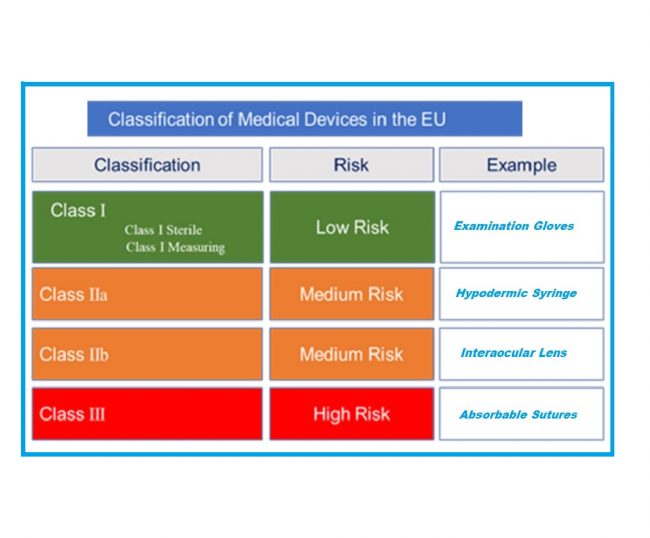
Medical Device Classification The new MDR 2017/745, which came into effect on 26 May 2021, categorizes medical devices into classes: Class I, Class II a, class II b, and class III. This classification is based on the 22 rules in the new MDR 2017/745. Rules 1-4 for Non–invasive devices, rules 5-8 for Invasive devices, rules 9…

CHEMICAL CHARACTERIZATION OF MEDICAL DEVICE

Chemical Characterization of Medical Devices

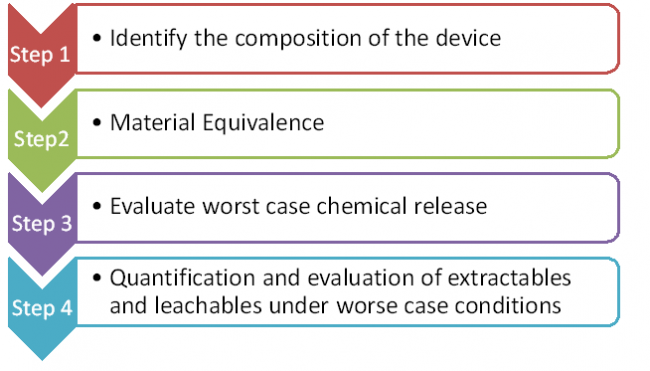
EN ISO 10993-18 ( CHEMICAL CHARACTERIZATION OF MEDICAL DEVICE )     Chemical characterization is a crucial step in evaluating the biocompatibility of a medical device. It is done to identify and characterize the chemical constituents (extractable and leachable) which could disclose biological risks to patients and medical practitioners. Extractables are substances that can be…

medical device labelling

Medical Device Labelling Requirements

[A]  Non-Active Medical Device Labelling  Information on the EU MDR Medical Device Labelling Requirements  Name or trade name of the device. Necessary details for a user to identify the device, the contents of the packaging, and the intended purpose of the device. The name, registered trade name or registered trademark, and the address of its…

510K Vs PMA

510k Vs PMA

Premarket Notification Vs Premarket Approval [ 510k Vs PMA ] Class II medical devices require a 510k submission (premarket notification), while Class III medical devices require a PMA (premarket approval), but what is the difference in the process between the two? A PMA is a more detailed document than a 510k. PMA is used to…

Biological Safety Testing

What is Biocompatibility?

What is Biocompatibility? What is Biocompatibility? – “Medical devices that come into direct or indirect contact with the body” are assessed “for the possibility for an unacceptable adverse biological reaction caused by contact of the device’s component materials with the body.”   The term Biocompatibility is described for the specific property of material being compatible…

Biological Safety Testing

Biological Testing For Medical Devices

In the NAMSA’s website, it is stated that the biological testing or evaluation is conducted by characterizing medical devices based on nature and duration of body contact, assessing the selection of raw materials used for construction, reviewing the manufacturing processes, identifying minimum biological end-points of concern and evaluating any existing research data available for addressing…

Benefit Risk Analysis

Benefit Risk Analysis

Benefit Risk Analysis: When the overall residual risk remains unacceptable and further risk control is not practicable, then there would be a need for risk-benefit analysis. In a risk-benefit analysis, a manufacturer shall review data and literature to determine if the medical benefits of the intended use outweigh the overall residual risk and hence a…